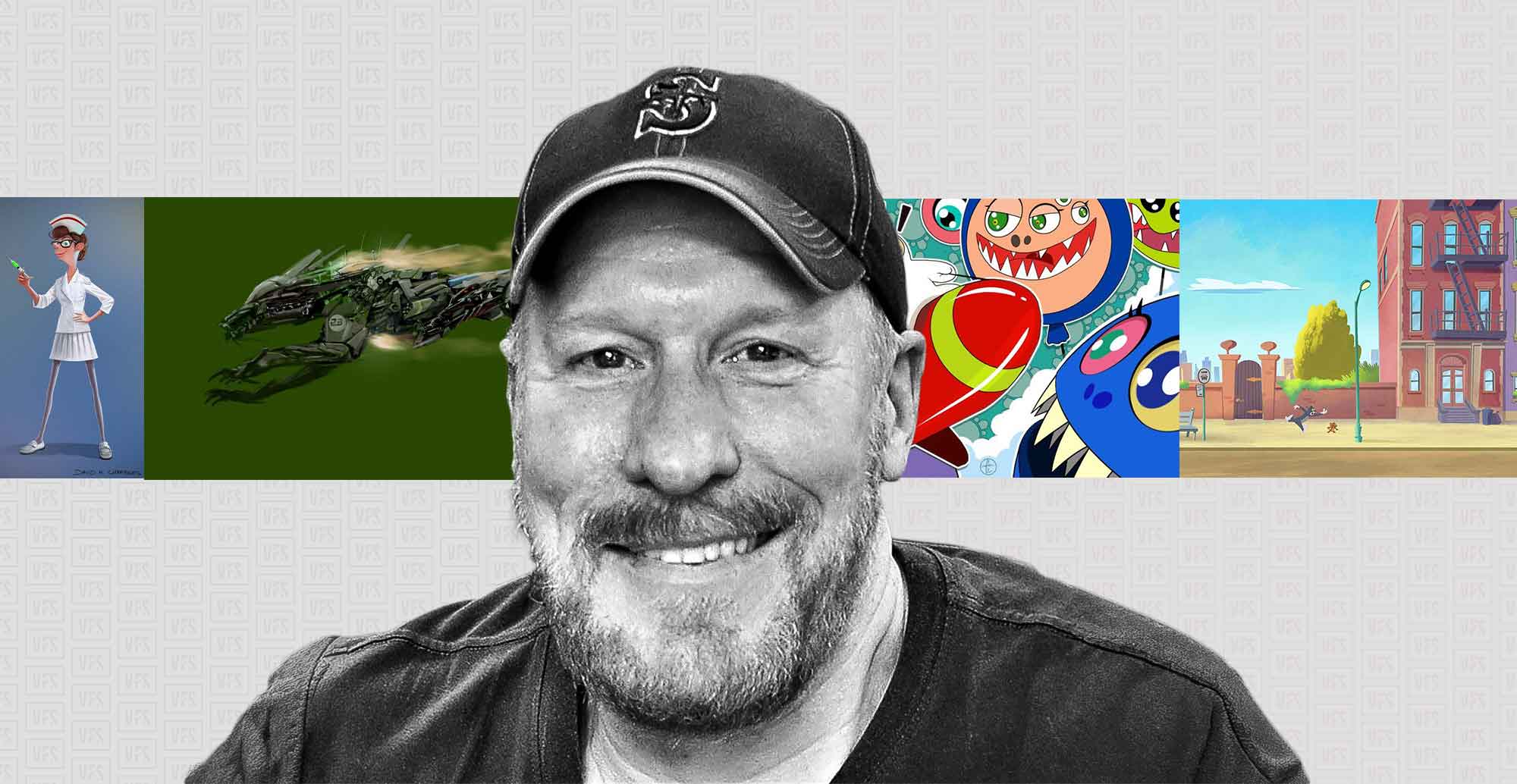
International Student Profile: Borae Jungsuk Cho

As nearly half of Vancouver Film School students know from experience, our International Admissions Advisors play an extremely important role for those artists coming to Canada from countries around the world. They’re stationed in India, Korea, Mexico, and Taiwan.

Digital Character Animation grad Borae Jungsuk Cho came all the way from South Korea to study in what was then known as our Maya program. He was recently interviewed by his VFS Advisor, Hakyun Lim, about how things are going in his career since graduating.

Hakyun: Tell us about where you’re working and what your role entails.

Borae: I’m working at Blue Sky Studio as a Pipeline Technical Director. For your information, a Pipeline Technical Director plays a pivotal role in computer graphics while creating necessary tools to make each part connected and function effectively and safely. Originally I had worked in Lighting and Compositing departments, and nowadays I am working as a pipeline artist because I am more interested in this area. Blue Sky Studio was founded by FOX and has been rapidly growing in the industry after the big success of the Ice Age series.

Hakyun: Could you tell us about your career in the companies that you worked for previously?

Borae: I was with various studios working on famous movies such as TRON: Legacy, Transformers: Dark of the Moon, Thor, Space Chimps, Thomas & Friends, and some European animated TV series. I also worked as a lighting artist and compositor and a Pipeline Technical Director creating the game cinematics in 50 Cent, Fear 2, and Ghostbusters. Out of all the companies that I have worked for in the past, I most enjoyed working for Rainmaker Entertainment and Digital Domain, two of the best studios in North America. Rainmaker is busy working on many feature film, animation, and video of games and Digital Domain is more known as a strong VFX house.

Hakyun: You have worked on many Hollywood blockbuster movies. How does it feel to join such large-scale productions?

Borae: In the beginning, I started working on local TV shows and small projects and worked my way up to the bigger projects just like everyone else. Words can’t describe how excited I was when I started working on the big projects, but when I became a part of these projects, I got more surprised than excited. What struck me the most is that they put the most emphasis on the storytelling component. If they [the producers] thought there were unnecessary scenes in their scenario, they would omit them without any hesitation. They want the movie to have strongest impact on the audience.

Hakyun: You’ve worked in a different environment than what you were used to back home. Has it been difficult to be a foreign worker?

Borae: There were cultural and language problems in the beginning. On the language side, it was just a matter of time, but the cultural difference was a big thing for me to overcome. In the animation and CG industry, there are people from all cultural backgrounds and experiences and it is like a big melting pot. Nothing really shocks me anymore but if you encounter certain things for the first time, you may get thrown off. Every company has its own culture and everybody is different. The most important thing is your attitude in dealing with these problems. For me, I tried to remain open-minded and put on smiley face.

When I first came to Vancouver, I couldn’t really speak English and had no aptitude for learning a new language. I thought that the best way to improve English was to learn from real life, so I started working at Starbucks to improve my English skills while meeting a lot of customers and getting used to day-to-day English. During that time, I tried to familiarize myself with the cultural expressions, both verbal and non-verbal. I was gaining self-confidence while I was working there and communicating with locals. I worked up to become a Supervisor and it was time for me to quit. I was a very introverted person before this job and by the end of my career at Starbucks, I was a totally different person. I think the culture in Canada changed me in a positive way.

Hakyun: What are the major systematic differences between Korean companies and international companies?

Borae: When I was in Korea, I didn’t work in this industry. I had worked as a web designer for two years, then decided to study English in Vancouver to rest my mind, then finally became a CG artist soon after graduating from VFS. So I can’t really tell you how they are different from my own experience. However I have some friends working in the industry telling me that while Korean companies are focusing on their deadlines but Canadian companies focusing on the quality. This is the biggest difference. And also working environment in Canada is much better than in Korea. I recently watched a documentary about the Korean CG industry, and their working environment is poor. I guess it’s because many Korean companies don’t produce their own movies, but taking orders from bigger companies in North America.

Hakyun: Many Korean CG artists want to work in North America because they work in better surroundings. What do you thing about this?

Borae: As I answered before, the artists in North America are working in better condition compared to Koreans. In terms of treatment, we get a fair shake. For example, Supervisor, Lead, and Senior positions get almost the same salary. The biggest difference in the workplace is that you can freely express your opinions to your senior director or lead director without fear. In Korea, there is a certain cultural rule which you have to listen to the director and no suggestions are welcome. I think this small difference in workplace make a big difference.

Hakyun: Do you think it’s necessary to have a degree to work in Hollywood?

Borae: You don’t need to have a degree to get a job in Hollywood. You need to have a good portfolio to showcase your ability and a professional network. VFS is the perfect place for this. VFS instructors are working professionals who gave me the feedback and network that I needed to work in the industry.

Hakyun: Can you tell us how VFS helped you to get to where you are today?

Borae: I got everything I needed. Working professional instructors and mentors gave me timely feedback and crucial information to find a job. VFS Student Services team helped me tremendously to get a work permit and even held meetings with Human Resources department of the major studios.

Hakyun: Do you have any advice for those who want to follow in your footsteps?

Borae: I still have lots to learn and experience but what I can say is that don’t rush into anything and invest your time. Once you set a goal, take the necessary steps and do your best and you will find yourself closer to your goal.

Thanks for the guest interview, Hakyun! And all the best for your career, Borae! 

Facebook Comments

Leave a Reply

Your email address will not be published. Required fields are marked *

*

You may use these HTML tags and attributes: <a href="" title=""> <abbr title=""> <acronym title=""> <b> <blockquote cite=""> <cite> <code> <del datetime=""> <em> <i> <q cite=""> <strike> <strong>